Shop > Apple trees > Eating apples
Eating apples
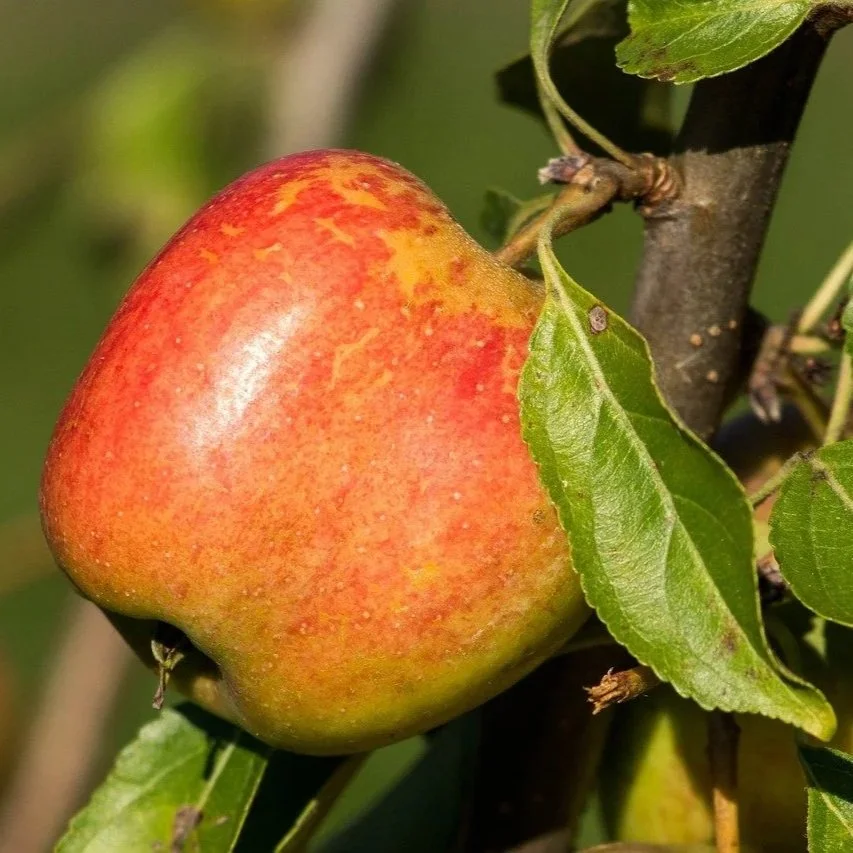
Potted:
A red fleshed dessert variety with medium Formd fruit. A disease resistant variety.
Type: Dessert
Season: Sep-Nov
Pollination: Self-fertile. Pollination group C
A cooking apple named in honour of Queen Victoria's Jubilee. Produces large yellow fruit that make a good addition to juice.
Type: Culinary
Season: September-December
Pollination: Self-fertile. Pollination group F
A deliciously sweet variety that crops late in the season. Yellow skin with an extensive orange-red flush. The crimson-pink blossom is especially attractive.
Type: Dessert
Season: October-January
Pollination: Self-sterile. Pollination group D
An early variety that can also be stored. Produces attractive fruit of medium Form that are firm, crispy and sweet.
Type: Dessert
Season: August-December
Pollination: Self-sterile. Pollination group C
A high quality traditional English dessert apple. Red blush fruit and creamy white flesh with a crisp juicy flavour.
Type: Dessert
Season: September-November
Pollination: Partially self-fertile. Pollination group C
A dual purpose variety popular in continental Europe. Sharp taste and keeps its shape when cooked. Produces a late crop which stores well.
Type: Dual-purpose
Season: October-April
Pollination: Self-sterile Triploid. Pollination group C
A medium-Formd dessert apple with a rich flavour and maroon flushed colour.
Type: Dessert
Season: October-January
Pollination: Self-sterile. Pollination group E
An exceptional apple with a powerful nutty flavour, honey sweet yet sharp. Fruit is small and a warm yellow colour.
Type: Dessert
Season: October-November
Pollination: Self-sterile. Pollination group C
A small to medium dessert apple. Fruit is yellow, red skinned with slightly tart flavour.
Type: Dessert
Season: October-December
Pollination: Self-sterile. Pollination group D
Late-season Sheffield eating apple. A heavy, reliable cropper with crisp, juicy and sweet fruits that can hang on the tree into the new year.
Type: Dessert
Season: October-January
Pollination: Unknown
A heavy-cropping, late season dessert apple with a sweet flavour and firm flesh. The fruit is greenish-yellow with red flushing and striping.
Type: Dessert
Season: October-January
Pollination: Partially self-fertile. Pollination group D
Mid-season eating apple, similar to Cox but sweeter. The colour is pale greenish-yellow with a red flush.
Type: Dessert
Season: October-December
Pollination: Self-sterile. Pollination group C.
Sweet, yellow, medium-Formd eating apple from America, also good for juicing and cider.
Type: Dessert
Season: November-January
Pollination: Self-sterile. Pollination group D
A small, late-keeping apple with firm and juicy flesh. The fruit are a little sharp when freshly picked but mellow in storage to become sweet and aromatic.
Type: Dessert
Season: November-March
Pollination: Self-fertile. Pollination group D
Also known as Norton's Melon. A rare, medium-large red-striped apple used primarily for eating but appropriate for cooking and cider.
Type: Dessert
Season: October-December
Pollination: Self-sterile. Pollination group E
A modern, disease-resistant variety with a refreshing sharp flavour. Medium-Formd apples with red-flushed skin and crisp, cream-coloured flesh.
Type: Dessert
Season: October-January
Pollination: Self-sterile. Pollination group D
A very versatile apple that is a good and reliable cropper. Flesh is crisp and juicy. Listed as a cooking variety, it is often eaten as dessert and useful for making cider. Very resistant to scab.
Type: Dual Purpose
Season: August - December
Fertility: Self-sterile Triploid. Pollination group C
A small, sweet apple which is a favourite with children due to its Form. The colour is a deep red, almost purple.
Type: Dessert
Season: October
Pollination: Self-fertile. Pollination group C
A sweet, medium-Formd apple with a honey-like flavour. The colour is a very appealing shade of red.
Type: Dessert
Season: September
Pollination: Self-fertile. Pollination group D
A classic English russet variety. The fruit are juicy and crisp with a strong sharp flavour and store well.
Type: Dessert
Season: December-March
Pollination: Self-sterile. Pollination group C
A famous Yorkshire variety. Strong-tasting, sweet and aromatic. Red-orange streaks over green skin, with creamy yellow, fine textured flesh.
Type: Dessert
Season: September-November
Pollination: Self-sterile. Triploid (can’t pollinate others). Pollination group C
A modern, disease-resistant variety from the Czech Republic. Produces attractive red apples that are sweet, crisp and very juicy.
Type: Dessert
Season: October-December
Pollination: Self-sterile. Pollination group C
Easy to grow mid-season dessert apple that is disease resistant and stores well. The fruit are yellow-green and deliciously crisp, sharp and refreshing.
Type: Dessert
Season: September-November
Pollination: Self-sterile. Pollination group D
Early season dessert apple. Produces heavy crops of small flushed fruit that are sweet, juicy and lightly aromatic with some Cox flavour.
Type: Dessert
Season: August-September
Pollination: Partially self-fertile. Pollination group C
One of the best early season apple varieties. Produces reliable crops of attractive red fruit that is particularly good for juicing.
Type: Dessert
Season: September
Pollination: Self-sterile. Pollination group C
A very large red-flushed eating apple with a superb flavour that is similar to Cox. The tree grows vigorously and produces a reliable heavy crop.
Type: Dessert
Season: October-January
Pollination: Self-sterile. Triploid (can’t pollinate others). Pollination group D
An attractive, red-flushed dessert apple with good frost resistance. Fruit is crisp and sweet.
Type: Dessert
Season: October-December
Pollination: Self-sterile. Pollination group D
A popular heavy-cropping dual-purpose variety from Scotland. Red flush stripes over pale green with a creamy white flesh. Excellent refreshing flavour and a reliable cropper.
Type: Dessert/Culinary
Season: September-October
Pollination: Partially self-fertile. Pollination group C
Easy to grow, heavy and regular crops. Honeyed and very sweet when left on the tree to ripen. Fruit stores well, and is versatile - can be used for cooking and eating.
Type: Dessert
Season: November - February
Pollination: Group 4
Delivery, Collection and FAQs
-
We deliver bare root trees (dispatched Nov-Apr) but not potted trees. Potted trees are collection only from Leeds (or we can deliver locally by arrangement).
-
See our Delivery & Collection Info page for up-to-date delivery rates.
-
Yes, you can collect your order from Kirkstall, Leeds. We send the full details when you place your order.
-
This varies, but broadly speaking trees classified as Small are 3-4ft and 1 year old. Trees classified as Large are 4-6ft. are 2-3 years old and have some established branches.


An early season cooking apple producing large, pale green-skinned fruit with a sharp flavour.
Type: Culinary
Season: October-December
Pollination: Partially Self-fertile. Pollination group C